Why Do Families Struggle With Kitchen Clutter Control?
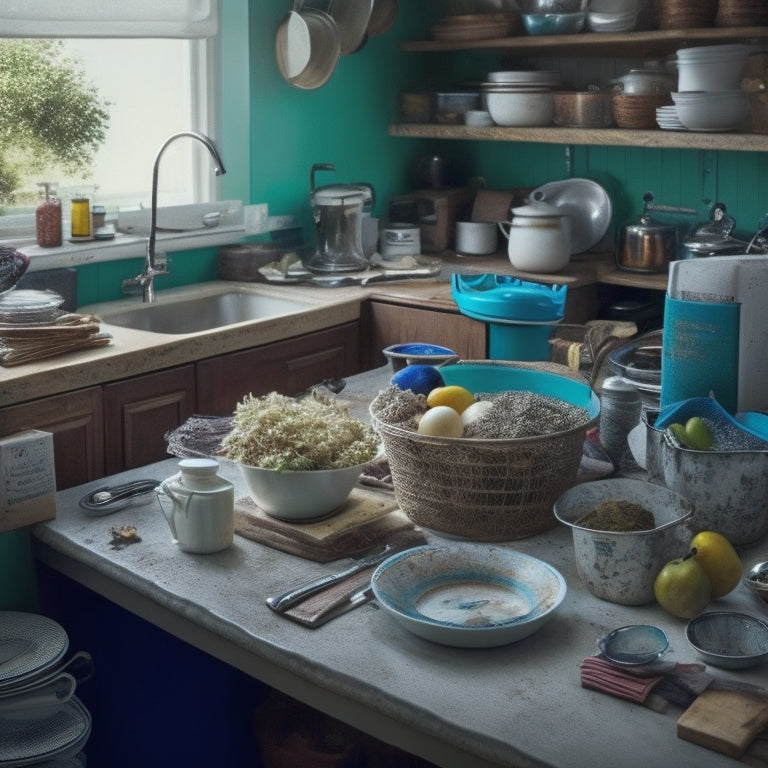
You struggle to maintain a clutter-free kitchen because you're up against a combination of factors. You might lack clear goals and vision, leading to inadequate storage and shelving solutions. Ineffective cleaning and maintenance habits, poor meal planning, and busy lives all contribute to clutter accumulation. Additionally, changes in your routine or lifestyle can disrupt your kitchen habits. It's not that you're unable to achieve a clutter-free kitchen; it's that you need to address these underlying issues to create a system that works for you. By exploring these challenges, you'll uncover the solutions that will get your kitchen back on track.
Key Takeaways
• Families struggle with kitchen clutter control due to a lack of clear goals and vision, leading to ineffective task delegation and prioritization.
• Insufficient storage and shelving hinder clutter control, emphasizing the need for adjustable units and efficient organization systems.
• Ineffective cleaning and maintenance habits, such as neglecting daily tidying and deeper weekend cleaning, contribute to kitchen clutter accumulation.
• Poor meal planning and prep lead to kitchen clutter, food waste, and unnecessary purchases, highlighting the importance of effective meal planning and prep.
• Busy lives and changing routines, including new jobs or lifestyle changes, can disrupt kitchen habits and clutter control, requiring adjustments to time management and prioritization.
Lack of Clear Goals and Vision
When you're trying to tackle kitchen clutter, you often overlook the essential step of defining what a clutter-free kitchen means to you, leaving you without a clear direction to guide your efforts. This lack of clear goals and vision leads to communication breakdowns within your family, making it challenging to delegate tasks and work together to achieve a common goal.
Your overwhelmed schedules and disorganized priorities further exacerbate the issue, causing you to feel stuck and unsure of where to begin. As a result, conflicting expectations arise, and you may find yourself struggling to balance your desire for a clutter-free kitchen with the demands of daily life.
Without a clear vision, you'll likely find yourself tackling clutter in a piecemeal fashion, addressing symptoms rather than the root cause. This approach will only lead to temporary solutions, and the clutter will inevitably return.
Insufficient Storage and Shelving
With a clear vision for your clutter-free kitchen in place, you're ready to tackle the physical constraints that contribute to clutter, starting with the limited storage and shelving that hinder your efforts to keep countertops and floors clear.
You're not alone in this struggle - many kitchens suffer from inadequate space utilization, making it challenging to keep essentials within easy reach. This leads to cluttered countertops and a sense of disorganization.
To overcome this, evaluating your kitchen's storage and shelving needs is crucial. Consider investing in adjustable shelving units, baskets, and bins that can be customized to fit your unique space. This will allow you to create an efficient organization system that maximizes your kitchen's space.
Ineffective Cleaning and Maintenance
A whopping 80% of kitchen clutter is caused by ineffective cleaning and maintenance habits, which can make even the most organized storage systems fall apart. You may have invested in a state-of-the-art kitchen organization system, but if you're not maintaining it, clutter will inevitably creep back in.
Neglected organization and overlooked maintenance are the primary culprits behind kitchen clutter. When you don't clean up as you go, crumbs, spills, and splatters can quickly accumulate, making your kitchen look chaotic.
You're not alone in this struggle. Many families struggle to maintain their kitchen's organization due to busy schedules, lack of motivation, or simply not knowing where to start. However, establishing a routine that includes regular cleaning and maintenance is crucial.
This task doesn't have to seem overwhelming. Start by dedicating 10-15 minutes a day to tidying up, and schedule deeper cleaning sessions on the weekends. By making cleaning and maintenance a habit, you can keep your kitchen organized, functional, and clutter-free.
Poor Meal Planning and Prep
You're likely familiar with the frustration of scrambling to decide what to cook for dinner, only to end up with a kitchen cluttered with ingredients, packaging, and dirty dishes. This chaos often stems from poor meal planning and prep. Without a clear plan, you're more likely to buy unnecessary items, waste food, and spend more time cooking and cleaning.
Effective meal planning and prep can make a significant difference in kitchen clutter control. By dedicating time to plan your meals, you can:
| Task | Time | Benefits |
|---|---|---|
| Plan meals for the week | 30 minutes | Reduces food waste, saves money, and streamlines grocery shopping |
| Organize recipes | 1 hour | Saves time searching for recipes, and guarantees you're using the ingredients you have |
| Prep ingredients | 30 minutes | Reduces cooking time, and makes meal prep more efficient |
Busy Lives and Changing Routines
As your daily routine gets busier, juggling work, family, and social commitments can lead to kitchen clutter accumulation. You're not alone in this struggle. Many families face the same challenge, and acknowledging the impact of busy lives on kitchen clutter control is vital.
Effective time management plays a significant role in maintaining a clutter-free kitchen. With multiple tasks vying for your attention, it's easy to let kitchen tasks slide. However, prioritizing kitchen tasks, such as meal prep and cleaning, can make a substantial difference.
Lifestyle changes can also contribute to kitchen clutter. For instance, a new job or school schedule may require adjustments to your daily routine. These changes can disrupt your kitchen habits, leading to clutter accumulation.
Frequently Asked Questions
How Do I Declutter Sentimental Kitchen Items Without Feeling Guilty?
You overcome decluttering guilt by acknowledging your emotional attachment to sentimental items, then implement organization strategies like categorizing, storing, or repurposing to maintain memories while letting go of clutter, freeing you from emotional burden.
Can a Kitchen Island Help With Clutter Control and Functionality?
You're torn between a cluttered kitchen and a sleek, organized space. A kitchen island can be your game-changer, offering clever storage solutions and organization tricks, while optimizing space with multifunctional design to boost functionality.
What Are Some Creative Ways to Repurpose Old Kitchen Items?
You can breathe new life into old kitchen items by exploring upcycling ideas and creative solutions. Try DIY projects like repurposing old jars as utensil holders or turning a vintage window into a kitchen chalkboard.
How Often Should I Deep Clean My Kitchen to Prevent Clutter Buildup?
"A clean kitchen is a happy kitchen!" To prevent clutter buildup, you should deep clean your kitchen every 2-3 months, supplemented by weekly maintenance and a strict cleaning schedule.
Are There Any Apps That Can Help Me Organize Kitchen Utensils and Gadgets?
You can utilize apps like Sortly or Snupps to create a digital inventory of your kitchen utensils and gadgets, and even design custom shelving to optimize storage, keeping your kitchen organized and clutter-free.
Related Posts
-
What's the Best Way to Store Recipes Online?
You're ready to ditch the recipe chaos and streamline your collection with a digital storage solution. The best way t...
-
7 Essential Tools to Tame Your Kitchen Chaos
You're one step away from transforming your kitchen into a haven of efficiency and calm. Start by decluttering your c...
-

Free Low-Carb Meal Planning Templates for Easy Success
You're about to discover the secret to effortless low-carb meal planning: leveraging free, customizable templates tha...
